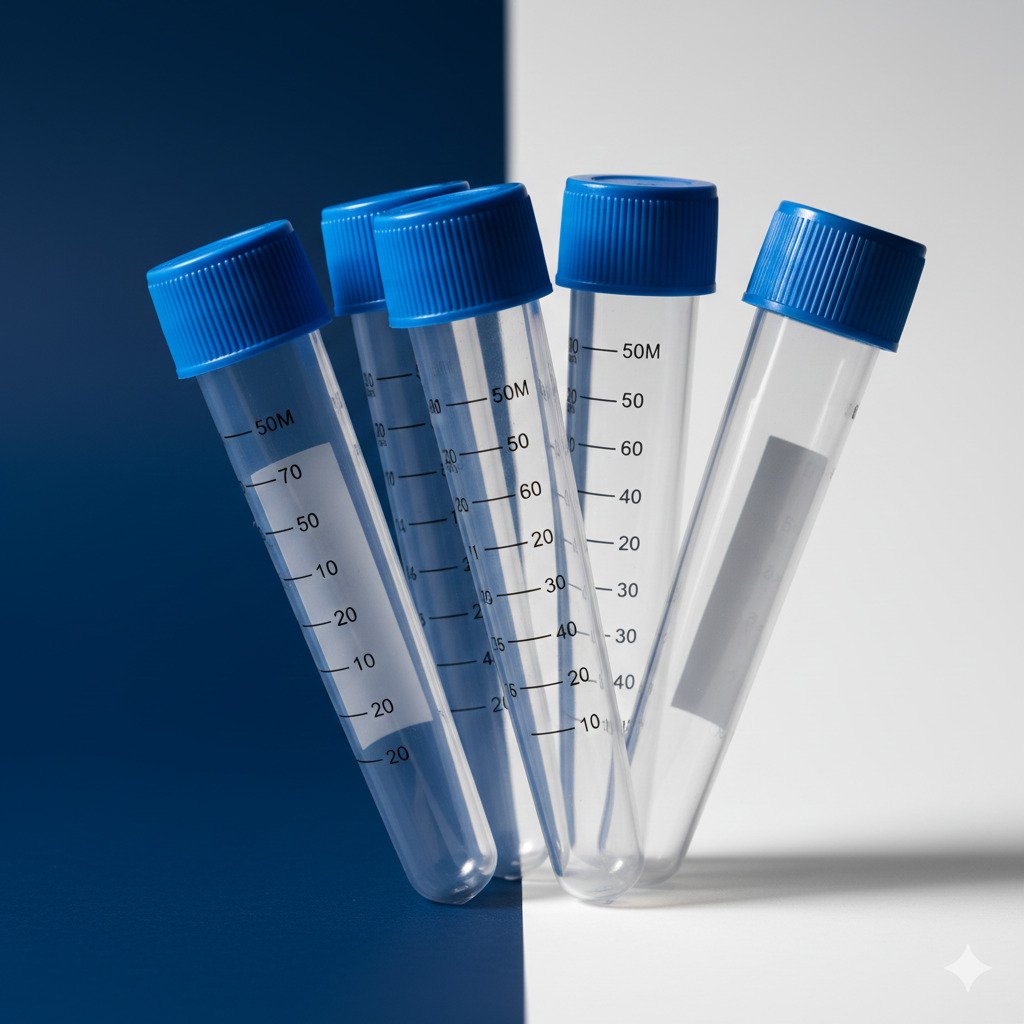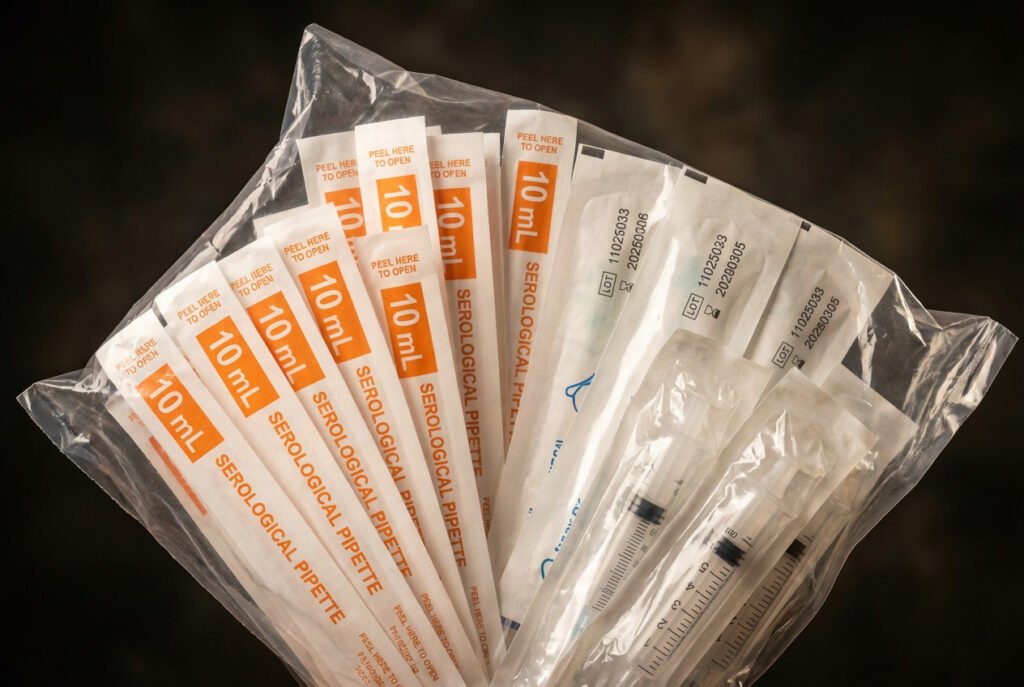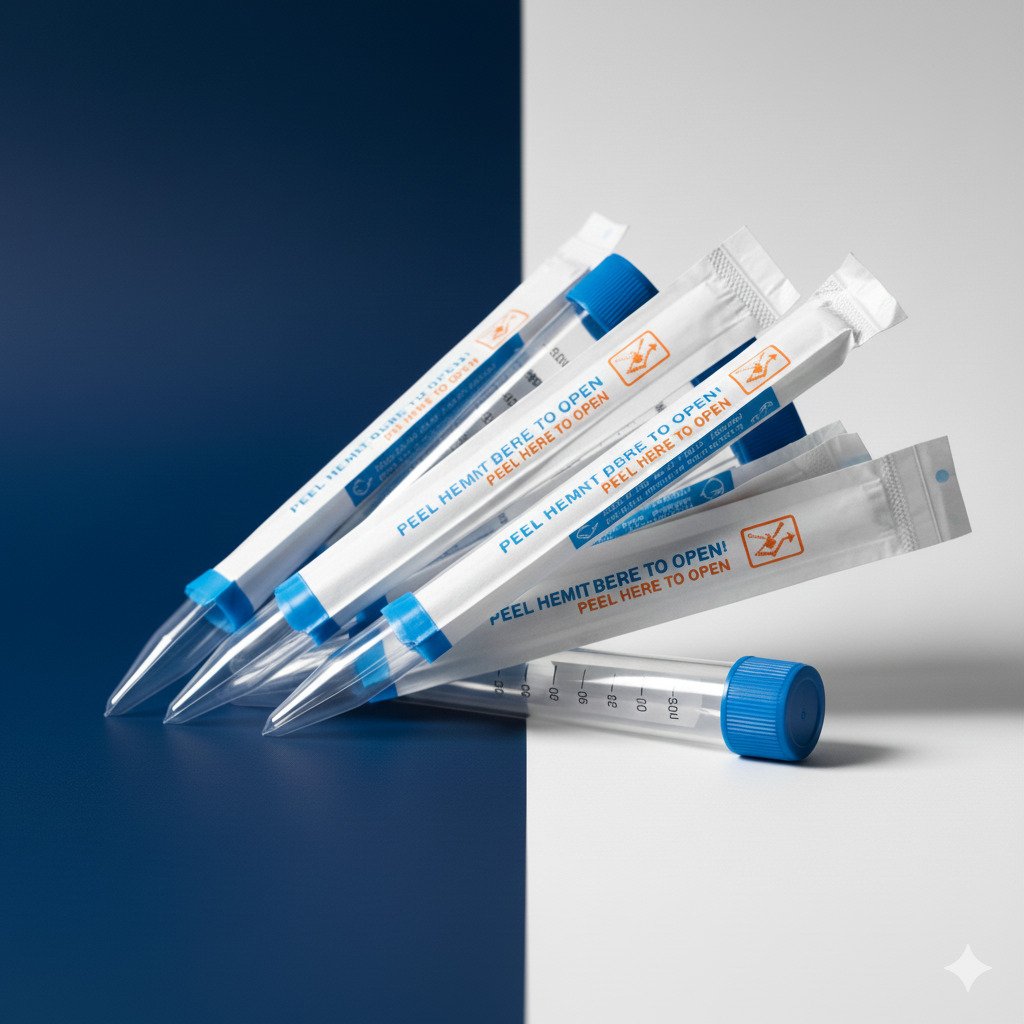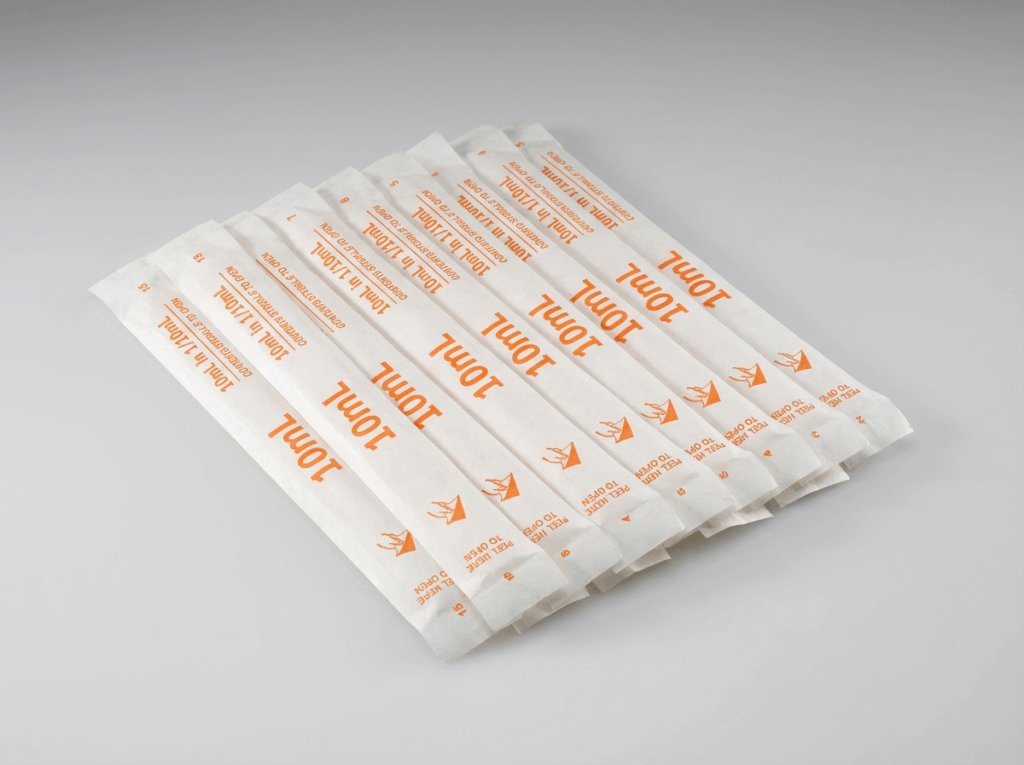

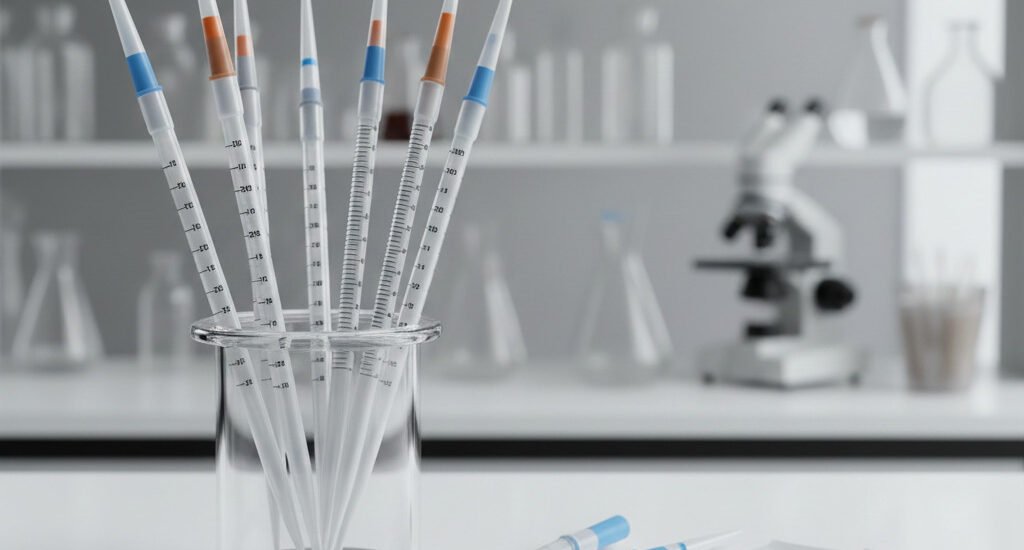
The modern science laboratory is a place of precision, where the accuracy of measurements is paramount to the success of experiments and research. Among the array of instruments used for liquid handling, the serological pipette stands out as an essential and ubiquitous tool.
What is a Serological Pipette?
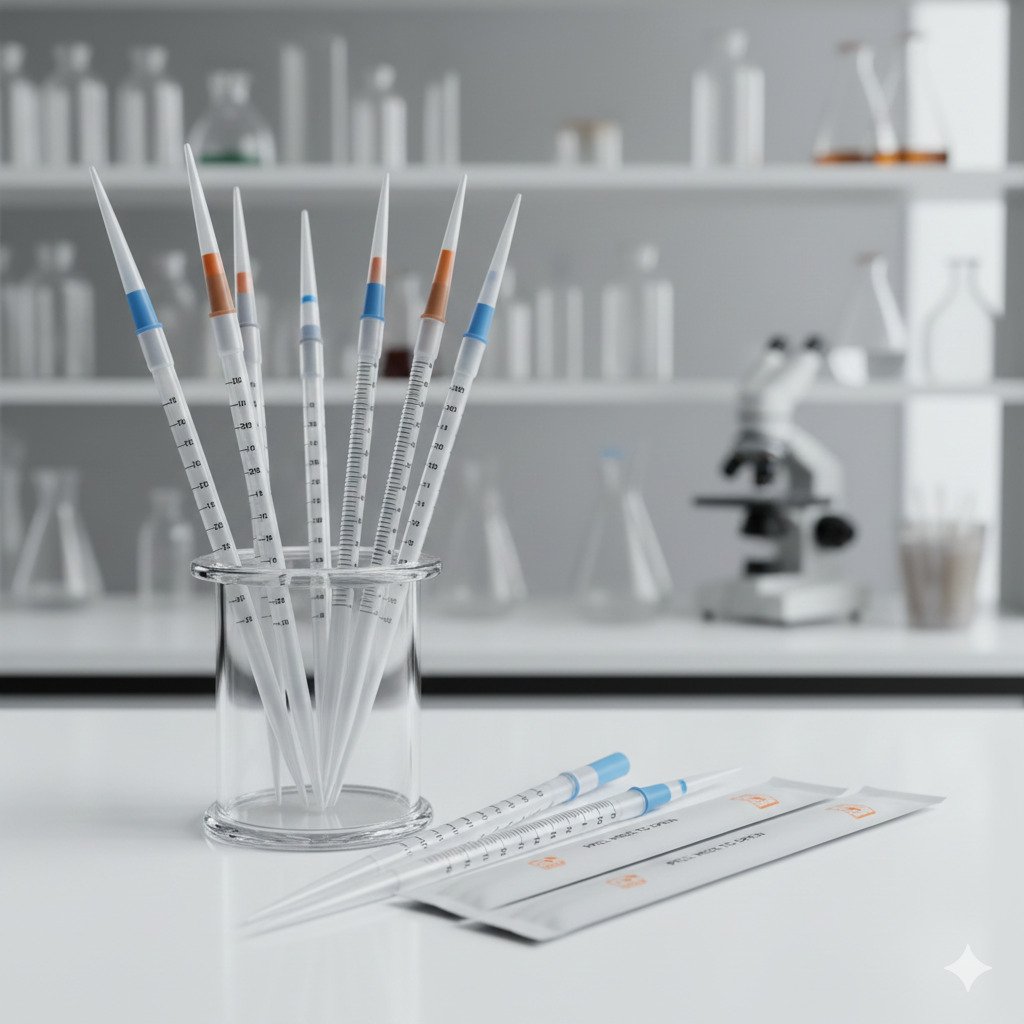
A serological pipette is a slender tube, typically made of glass or plastic, used to accurately measure and transfer volumes of liquid, usually in the range of 0.1 mL to 50 mL.
They are characterized by their graduations, which are printed along the side of the tube, allowing a scientist to draw up and dispense a specific volume. The term “serological” originally came from their frequent use in serology (the study of blood serum and other bodily fluids), but their application has expanded across virtually all life science and chemistry disciplines.
Key Features and Mechanics
Understanding the design and mechanics of a serological pipette is crucial for proper use:
- Tip: The narrow, pointed end where the liquid is drawn in and dispensed.
- Graduations: Markings indicating the volume. They are typically TD (To Deliver), meaning the volume indicated is the volume that flows out of the pipette, assuming standard technique.
- Total Volume Line: The highest marking, indicating the maximum volume the pipette can hold.
- Aspiration End: The top opening where a pipetting aid is attached to create the vacuum needed to draw liquid up.
Pipetting Aids
Serological pipettes are never operated by mouth. Instead, they require a pipetting aid or pipette pump to control the liquid flow. These devices allow for smooth, precise aspiration and dispensing, preventing contamination and ensuring safety.
Understanding the Different Types
While all serological pipettes perform the same basic function, there are important distinctions, particularly regarding their graduation style:
- “Blow-Out” vs. “Drain-Out” (or Standard) Pipettes:
- Standard (Drain-Out): The pipette is calibrated to deliver the stated volume when the liquid is allowed to drain freely until the meniscus rests at the last graduation mark. A small amount of liquid will remain in the tip and should NOT be expelled. These pipettes are often marked with two frosted rings near the top.
- Blow-Out: The pipette is calibrated to deliver the stated volume only when the last drop of liquid is blown out of the tip. These are typically indicated by one or two frosted rings or a wide band near the top of the pipette.
- Plastic vs. Glass:
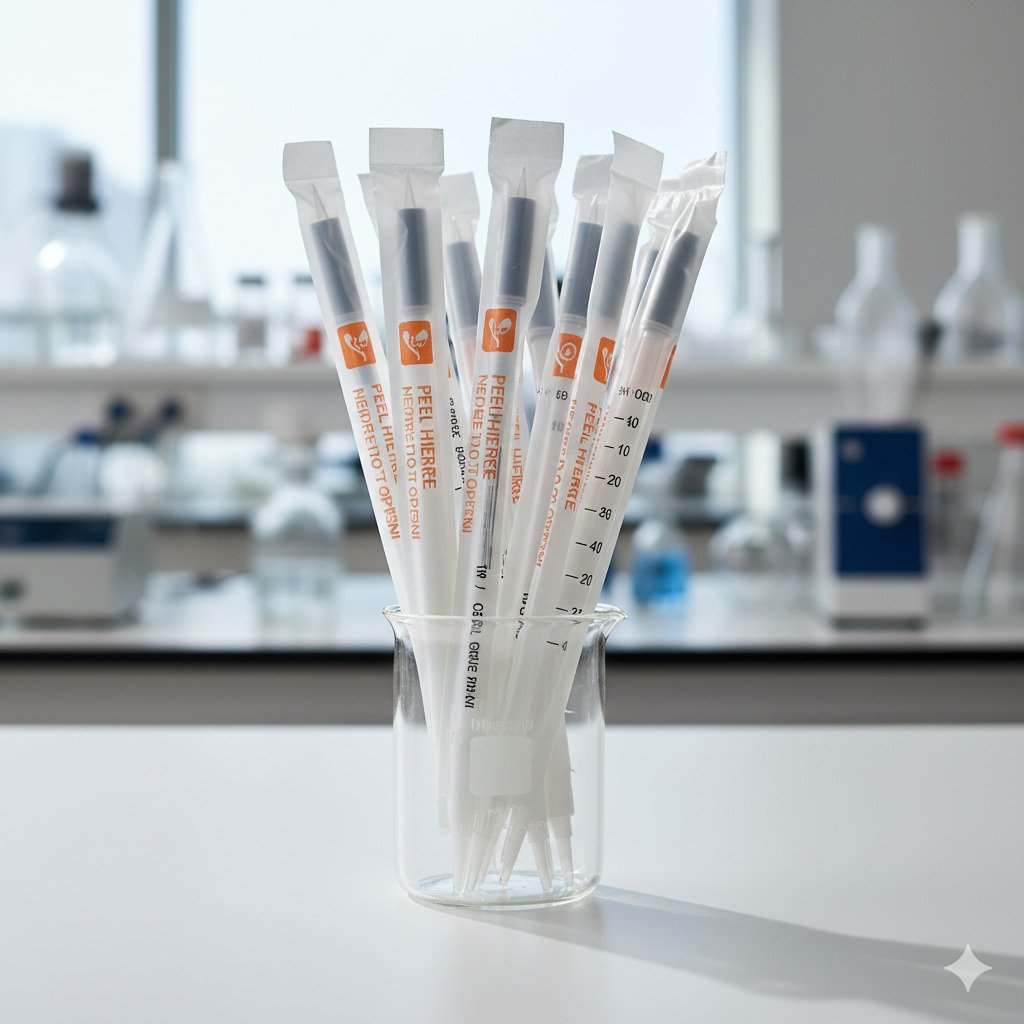
- Plastic (Disposable): The most common type today. They are sterile, individually wrapped, and are typically used once to prevent cross-contamination. They are also lighter and safer to handle.
- Glass (Reusable): Used historically and still found in some labs. They must be thoroughly cleaned and sterilized (autoclaved) between uses.
Applications in the Lab
Serological pipettes are indispensable for a variety of tasks, including:
- Cell Culture: Adding or removing media from cell culture flasks and plates, and preparing cell suspensions.
- Reagent Preparation: Making up large batches of solutions and buffers by accurately measuring solvents and solutes.
- Media Dispensing: Pouring or transferring sterile growth media into petri dishes or tubes.
- General Liquid Transfer: Moving precise volumes of liquids between vessels, such as test tubes, beakers, and volumetric flasks.
💡 Best Practices for Accurate Pipetting
To ensure the highest accuracy in your work, follow these best practices:
- Choose the Right Size: Select a pipette whose volume is closest to the amount you need to transfer. Using a 25 mL pipette to measure 1 mL will significantly decrease accuracy.
- Inspect the Tip: Before use, check the tip for chips (if glass) or any blockages that could affect flow.
- Use a Pipetting Aid: Always use a pump or bulb to control the liquid.
- Hold Vertically: Keep the pipette as close to vertical as possible during aspiration and dispensing to minimize meniscus error.
- Read the Meniscus: When setting the volume, align your eye level with the meniscus (the curved surface of the liquid) to avoid parallax error. For most aqueous solutions, read the bottom of the meniscus.
The serological pipette, while simple in design, remains a cornerstone of laboratory work. Its accuracy and versatility make it a truly indispensable tool for every scientist dedicated to meticulous and reliable research.