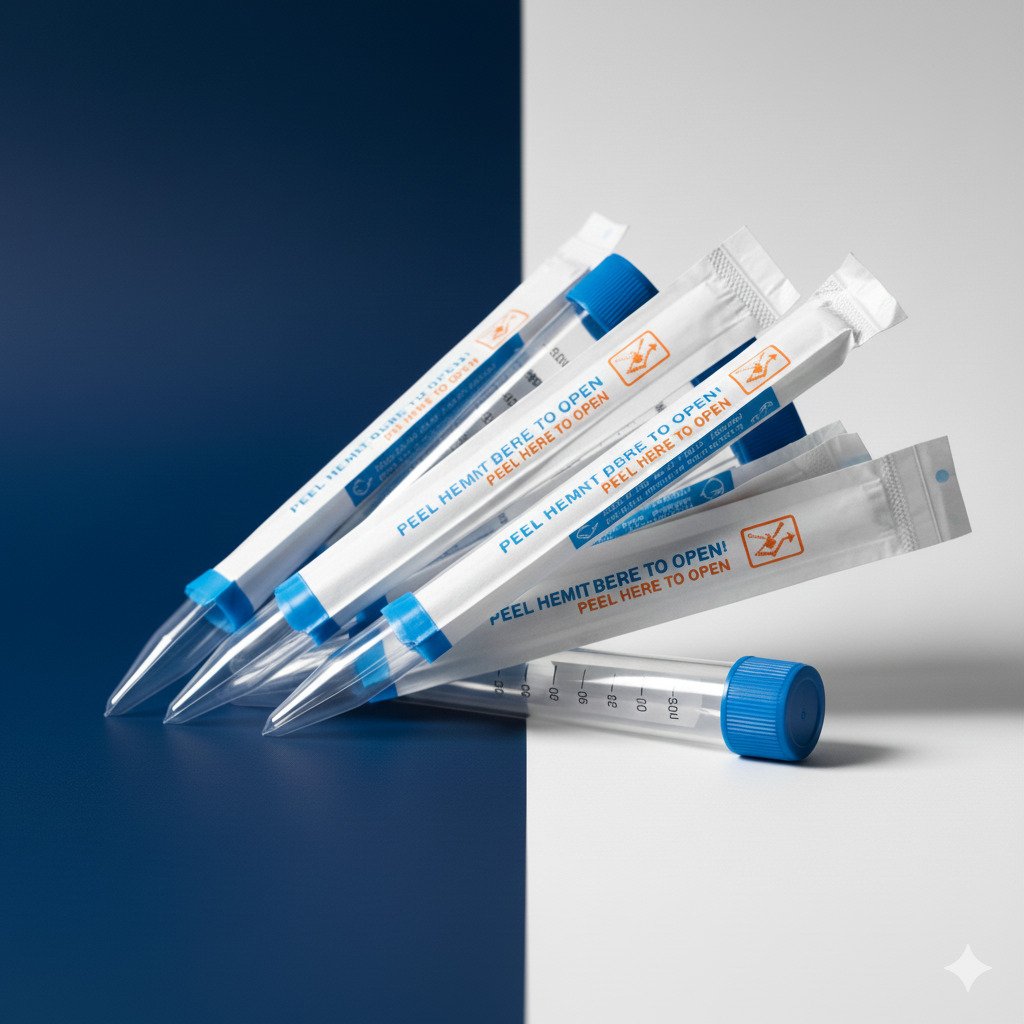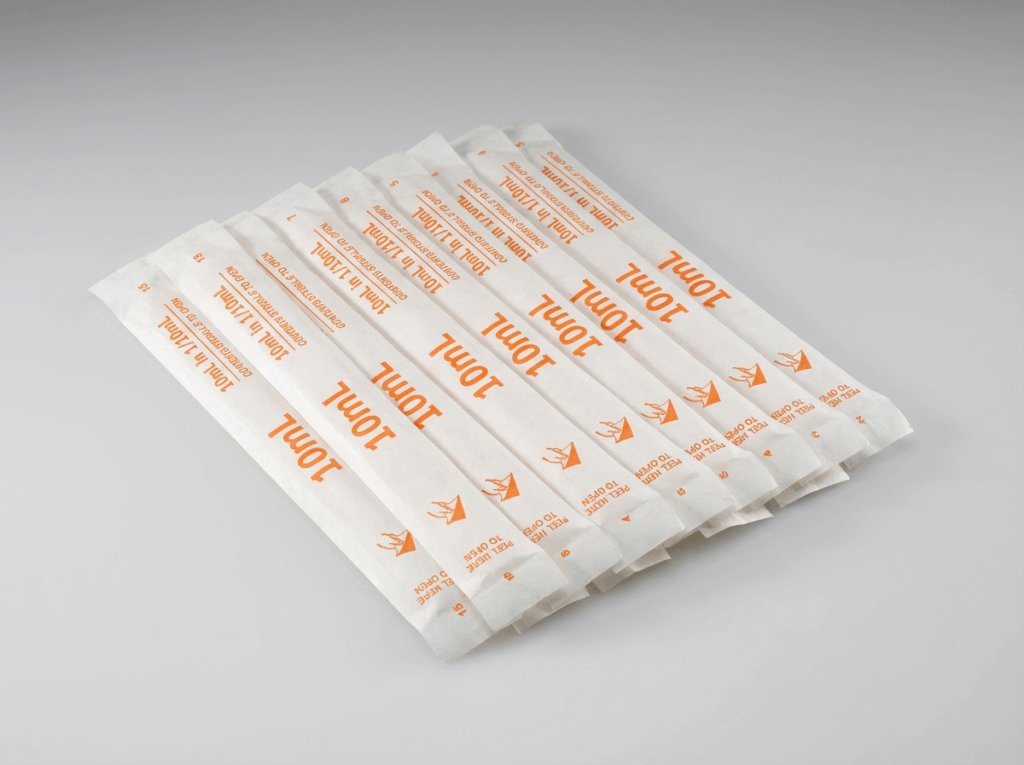


In almost every modern biological, chemical, and clinical laboratory, one container performs a critical, yet often overlooked, role: the centrifuge tube. These specialized vessels are fundamental to the process of centrifugation, which is used to separate substances based on density.
What is a Centrifuge Tube?
A centrifuge tube is a small, typically conical container designed to hold liquid samples during the high-speed spinning process inside a centrifuge machine. Its primary function is to withstand the intense centrifugal force (RCF) generated during the spin, which can be thousands of times the force of gravity.
Essential Features and Materials
The design of a centrifuge tube is meticulously engineered to ensure sample integrity and user safety:
- Conical Bottom: Most centrifuge tubes feature a sharp, pointed bottom. This shape is crucial as it concentrates the smallest amount of solid precipitate (the pellet) into a tight spot at the bottom, making it easier to see and aspirate the remaining liquid (the supernatant).
- Sealing Cap: Tubes typically have a screw cap or a snap cap. Screw caps are essential for high-speed centrifugation, as they prevent sample evaporation and aerosol leakage, which is vital when working with hazardous or volatile materials.
- Graduations and Writing Area: Clear markings on the side allow for accurate volume measurement, and a frosted area near the cap provides a space for labeling the sample.
- Material: Centrifuge tubes are overwhelmingly made from plastic, primarily polypropylene (PP) or polyethylene (PE). Polypropylene is preferred for most applications due to its excellent chemical resistance, ability to withstand both high and low temperatures (for autoclaving or freezing), and its superior mechanical strength for high-speed spins.
Understanding the Different Sizes
Centrifuge tubes are available in a standard range of sizes, each suited for different applications:
| Tube Size | Common Name | Typical RCF Tolerance | Primary Applications |
| 0.5 – 2.0 mL | Microcentrifuge Tube (Eppendorf Tube) | Very High (up to 30,000 x g) | DNA/RNA extraction, protein precipitation, PCR preparation. |
| 15 mL | Conical Tube | Medium (up to 15,000 x g) | Cell culture work, low-to-medium volume liquid transfer, general-purpose separations. |
| 50 mL | Conical Tube | Medium (up to 15,000 x g) | Cell pelleting, large-scale solution preparation, large volume sample storage. |
| >50 mL | Large Tubes / Bottles | Lower (variable) | Large-scale purification, media preparation, high-volume batch processing. |
🚨 Best Practices and Safety
Using centrifuge tubes correctly is key to a successful experiment and safety:
- Always Balance: Tubes must be placed opposite each other in the centrifuge rotor and filled with equal volumes of liquid. An improperly balanced centrifuge can vibrate dangerously and lead to tube failure or machine damage.
- Check RCF Limits: Never exceed the maximum RCF (relative centrifugal force) limit specified for the tube, as this can cause the tube to collapse or shatter, leading to sample loss and rotor contamination.
- Ensure Proper Sealing: Always firmly screw down caps, especially when centrifuging at high speeds or using biohazardous materials.
- Temperature Considerations: If centrifuging in a refrigerated centrifuge, ensure the plastic material is rated for the cold temperature, as some plastics become brittle.
Conclusion
The centrifuge tube is far more than just a piece of plastic; it is a meticulously engineered piece of labware that allows scientists to isolate and purify everything from single-celled organisms to complex molecular structures. Its ability to maintain sample integrity under extreme force makes it a truly critical component of scientific discovery.